
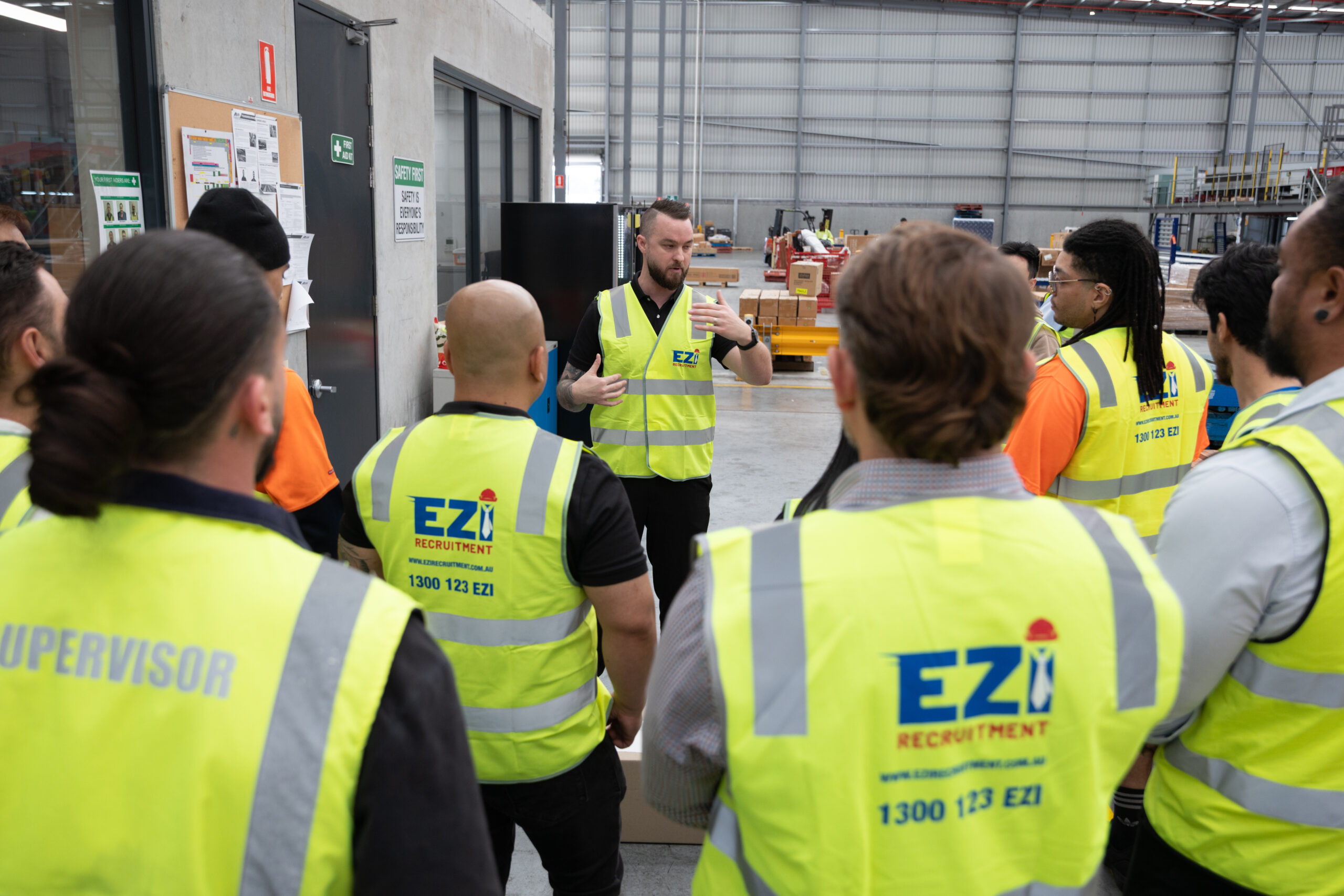
Workforce planning is the process of assessing the people, skills and capacity a business needs to meet its operational goals. It helps employers anticipate staffing requirements, identify skills gaps and make informed decisions about recruitment, training and workforce allocation before operational needs change.
For businesses in warehousing, transport, logistics and trades, workforce planning can influence productivity, service delivery, project timelines and labour costs. Hiring too late may leave critical roles unfilled, while recruiting without a clear understanding of future demand can create unnecessary costs.
The solution is to align workforce capacity with realistic business requirements. This means understanding what work is coming, which people and skills are needed, and how much time is required to address any gaps.
As the end of the year approaches, some businesses may need to prepare for increased orders, delivery commitments or project deadlines. Others may be planning staff leave, operational shutdowns or reduced activity. Effective workforce planning accounts for these differences rather than assuming every business will need more workers.
EZI Recruitment supports businesses recruiting across warehousing, transport and logistics, and trades. Understanding workforce requirements before recruitment begins can help employers make more informed hiring decisions and identify the recruitment support that suits their operational needs.
What Is Workforce Planning?
Workforce planning involves assessing whether a business has the right number of people, with the right skills and experience, available when and where they are needed.
A workforce planning process typically considers:
- Current workforce capacity: Existing headcount, vacancies, workloads and available skills.
- Future business requirements: Expected orders, customer commitments, projects and operational changes.
- Skills and qualifications: The experience, licences and capabilities required for each role.
- Staff availability: Planned leave, expected turnover and potential coverage gaps.
- Recruitment lead times: The time needed to define roles, source candidates, complete relevant checks and arrange onboarding.
- Budget and employment requirements: The cost and suitability of different workforce options.
- Contingency planning: How the business will respond if demand or staffing availability changes.
Workforce planning and recruitment are closely connected, but they are not the same thing. Workforce planning identifies what the business needs, while recruitment is one possible way to address an identified staffing gap.
Depending on the situation, the appropriate response may involve recruiting new employees, developing existing staff, adjusting rosters or redistributing workloads. In some cases, the plan may identify that current staffing levels are sufficient.
Why Workforce Planning Matters for Operational Businesses
1. Reduce the Risk of Staff Shortages
Insufficient staffing can affect multiple parts of an operation. In a warehouse, it may slow picking, packing and dispatch. In transport and logistics, it may create difficulties covering routes, managing freight volumes or meeting delivery schedules. For trades businesses, a shortage of appropriately skilled workers can place project deadlines under pressure.
These issues can also increase workloads for existing employees and affect customer service.
Workforce planning helps employers identify where capacity may fall short and determine which roles need attention before the gap disrupts operations.
2. Managing Labour Costs and Workforce Capacity
Both understaffing and overstaffing can create financial pressure.
When a business has too few people available, productivity may decline, overtime may increase and customer commitments may become harder to meet. Conversely, recruiting more workers than the operation requires can increase labour costs without delivering a corresponding benefit.
Effective workforce planning aims to match staffing levels to expected demand. This requires reviewing business forecasts, existing capacity and the likely duration of any additional requirement.
For example, a temporary increase in warehouse orders may call for a different response from a permanent expansion into a new location. Understanding the nature of the requirement helps employers choose an appropriate workforce solution.
3. Allowing Enough Time for Recruitment
Recruitment planning should account for the steps between identifying a vacancy and having a suitable person ready to start.
Depending on the role, this may include preparing a job description, sourcing candidates, assessing experience, checking relevant qualifications or licences, coordinating interviews and completing onboarding.
Some positions may be easier to fill than others. Roles requiring specific trade qualifications, driving licences, experience or site access arrangements may need additional preparation.
Starting recruitment only when a vacancy becomes urgent can limit the time available to assess candidates properly. Factoring recruitment lead times into workforce planning helps employers prepare earlier and make more considered decisions.
4. Supporting Business Continuity
Planned leave, employee turnover, project changes and unexpected absences can affect an operation at any time of year.
A workforce plan helps identify roles that are essential to maintaining business activities and consider how they will be covered if an employee becomes unavailable.
This does not mean every absence requires a new hire. Depending on the role and available capacity, options may include adjusting rosters, reallocating responsibilities or recruiting additional staff.
The objective is to understand potential workforce risks and prepare a suitable response before they affect essential operations.
How to Create a Workforce Planning Strategy
A practical workforce planning process connects current staffing information with future operational requirements. The following six steps provide a starting point for businesses reviewing their workforce needs.
Step 1: Review Your Current Workforce
Begin by assessing your existing workforce capacity and identifying any immediate staffing risks. Review:
- Current headcount and how employees are distributed across roles.
- Existing vacancies and positions that are difficult to fill.
- Skills, qualifications, licences and relevant experience.
- Staff turnover and known employee departures.
- Planned leave and current roster coverage.
- Workloads, overtime and areas under sustained pressure.
- The roles and skills required to maintain essential operations.
This review provides a clearer picture of what your business can currently deliver. It also helps distinguish between a genuine shortage of people and a skills gap that may require a different response.
Step 2: Forecast Future Workforce Demand
Workforce demand planning involves estimating the people and skills your business will need over a defined period.
Rather than relying solely on last year’s staffing levels or assumptions about seasonal demand, use the most relevant information available. Consider:
- Historical order volumes and workload patterns.
- Confirmed customer orders and delivery commitments.
- Production, warehouse and distribution schedules.
- Upcoming projects and completion deadlines.
- Contract changes or new business requirements.
- Planned shutdowns, maintenance and staff leave.
- Expected changes to operating hours, locations or services.
For example, a warehouse anticipating a rise in dispatch volumes may need additional picking or forklift capacity. A trades business approaching a scheduled maintenance shutdown may need to coordinate qualified workers around specific project deadlines.
Forecasts will not always be exact. The purpose is to identify likely scenarios, understand the assumptions behind them and review the plan as new information becomes available.
Step 3: Identify Staffing and Skills Gaps
Compare your forecast workforce requirements with your existing capacity.
A useful skills gap analysis considers more than the number of employees available. It also examines whether the workforce has the qualifications, experience and availability needed to complete the work. Ask:
- Which roles will be required, and when?
- How many workers are needed for each operational period?
- Are specific licences, qualifications or experience essential?
- Are particular shifts, locations or roles difficult to staff?
- Can existing employees reasonably cover the requirement?
- Will new starters need training, induction or site-specific preparation?
Record the gaps as specific requirements rather than a general expectation that more staff will be needed.
Clear requirements make recruitment planning more effective because employers can explain what the role involves, which capabilities matter and when the person needs to be available.
Step 4: Choose the Right Workforce Solution
Once the gap is understood, consider which response best matches the requirement.
| Workforce requirement | Potential response |
| An ongoing capacity or skills gap | Permanent recruitment |
| A defined short-term staffing need | Temporary recruitment or labour hire, where available and appropriate |
| Several similar vacancies | Coordinated or volume recruitment |
| A role requiring specialised experience | Targeted recruitment |
| A skills gap within the existing team | Training or employee development |
| A temporary change in workload | Roster adjustments or workforce reallocation |
These options are not interchangeable. The appropriate approach depends on the role, duration of the requirement, employment arrangements, budget and operational priorities.
EZI Recruitment can be considered when recruitment is part of the solution, particularly for businesses seeking candidates across warehousing, transport and logistics, and trades. Defining the requirement first helps establish which recruitment services may be relevant.
Step 5: Account for Recruitment, Checks and Onboarding
A workforce plan should include the time required to prepare a new employee for the role, not just the intended start date.
Depending on the position and employer requirements, the process may involve:
- Candidate sourcing and availability.
- Reviewing experience and role suitability.
- Checking relevant qualifications and licences.
- Reference checks where required.
- Interviews and selection.
- Site access requirements, training and induction.
- Confirming start dates, shifts and responsibilities.
Requirements vary between roles and workplaces. Employers should identify the checks and preparation needed for each position rather than assume every vacancy follows the same timeline.
When discussing recruitment needs with EZI Recruitment, provide clear information about the role, essential skills, location, working arrangements and intended start date. This gives the recruitment team a more useful basis for understanding the requirement.
Step 6: Review and Adjust the Plan
Workforce planning should be reviewed as business conditions change.
Compare actual activity with your forecast and assess whether planned staffing levels remain appropriate. Relevant indicators include:
- Actual orders, workload or project progress.
- Current vacancies and recruitment progress.
- Employee availability and planned leave.
- Overtime and workload pressures.
- Changes to customer commitments or contracts.
- Whether expected skills and capacity gaps remain.
The review frequency should reflect the pace of change in your operation. A business with fluctuating order volumes may need more frequent reviews than one working to a stable project schedule.
Regular reviews help employers adjust recruitment plans when requirements change, rather than continuing with assumptions that no longer reflect the business.
Workforce Planning Considerations for Different Industries
Warehouse workforce planning should account for the movement of stock through the facility, from receiving and inventory activities to picking, packing and dispatch.
Important considerations include:
- Incoming stock and expected dispatch volumes.
- Order fulfilment requirements and customer deadlines.
- Forklift and equipment-related role requirements.
- Shift coverage and operating hours.
- Stocktakes, maintenance and planned shutdowns.
- The experience and skills needed for specific warehouse tasks.
For example, an increase in orders may create additional demand for picking, packing or forklift operators. However, a warehouse serving customers with different trading patterns may experience stable or reduced activity over the same period.
Employers should use their own order forecasts, operating schedules and staffing data to determine whether recruitment is needed.
If a warehouse staffing gap has been identified, EZI Recruitment’s Warehouse Recruitment service can be a relevant starting point for exploring recruitment support.
Transport and Logistics Workforce Planning
Transport workforce planning needs to consider freight commitments, delivery schedules and the people required to keep operations running.
Relevant factors include:
- Expected freight volumes and delivery deadlines.
- Driver availability and applicable licence classes.
- Vehicle, route and operating requirements.
- Roster coverage and planned driver leave.
- Public holidays and customer operating schedules.
- The skills required for transport and logistics support roles.
For example, a change in customer freight volumes may affect the number of drivers or operational staff required for a particular period. The impact will depend on the routes, delivery commitments and existing capacity of the business.
Employers should assess confirmed work and realistic forecasts rather than automatically treating the end of the year as a peak period.
EZI Recruitment’s Transport Recruitment service can help employers explore recruitment options for relevant transport roles.
Trades and Project-Based Workforce Planning
For trades businesses, staffing requirements are often linked to project stages, deadlines, maintenance schedules and site requirements.
Planning should account for:
- The project schedule and required completion dates.
- Trade skills, qualifications and relevant experience.
- Site access, induction and safety requirements.
- Planned construction or maintenance shutdowns.
- The availability of suitably skilled workers.
- The time required to source and prepare candidates.
A project may require additional qualified workers before a deadline or shutdown. Another project may reduce activity while a site is closed. The appropriate workforce plan depends on the work scheduled and the capabilities needed at each stage.
Where recruitment is required, EZI Recruitment’s Trades Recruitment service is a relevant option to explore.
How to Prepare for the Holiday Period Without Overstaffing
The end-of-year period can create workforce planning challenges, but its impact varies between businesses. Some experience increased orders or delivery commitments, while others reduce operations, schedule shutdowns or prepare for a gradual return in the new year.
To prepare for changing demand:
- Review confirmed work. Assess customer orders, delivery commitments, contracts and project deadlines.
- Check staff availability. Identify planned leave, known departures and essential roles that require coverage.
- Forecast each operating period. Estimate staffing requirements based on realistic workloads rather than assuming demand will increase.
- Identify genuine gaps. Compare the people and skills required with the capacity already available.
- Decide whether recruitment is needed. Consider whether scheduling changes, internal development or additional employees are appropriate.
- Allow time for hiring. Account for candidate availability, selection, relevant checks and onboarding.
- Prepare for changes. Consider how you will respond if orders, projects or staffing availability differ from expectations.
- Set a review date. Reassess the plan as forecasts become clearer.
Starting early does not necessarily mean recruiting early. It means giving the business enough time to assess its requirements and act when the need is established.
For employers who identify a recruitment gap, discussing the role and required timeframe with a suitable recruitment partner can help clarify the next steps.
Common Workforce Planning Mistakes to Avoid
Assuming Demand Will Follow Last Year’s Pattern
Historical data can help identify trends, but it should not replace current information. Changes in customers, contracts, projects and operating schedules can affect workforce requirements.
Focusing on Headcount Instead of Skills
Having enough employees does not guarantee that the necessary skills are available. Identify the qualifications, licences and experience required for each role before deciding how to address a gap.
Waiting Until a Vacancy Becomes Urgent
Late recruitment can leave limited time for sourcing, screening, selection and onboarding. Include recruitment lead times in the plan before a position becomes critical.
Treating Workforce Planning as a One-Off Exercise
Business conditions and staffing availability can change. Review the plan regularly and adjust it when the original assumptions no longer reflect operational needs.
Recruiting Before Defining the Requirement
A vague request for additional staff can make it harder to identify suitable candidates. Before engaging a recruitment agency, clarify the responsibilities, essential skills, working arrangements, location and expected start date.
How Can a Recruitment Partner Support Workforce Planning?
A recruitment partner can help businesses address identified staffing gaps by clarifying role requirements and sourcing candidates with relevant skills and experience.
Depending on the services agreed, recruitment support may include:
- Clarifying the requirements of a vacancy.
- Identifying essential skills, experience and qualifications.
- Sourcing candidates for difficult-to-fill roles.
- Supporting recruitment across multiple vacancies.
- Finding candidates for warehousing, transport, logistics and trades positions.
- Discussing suitable recruitment arrangements based on the role and business need.
The level of support depends on the recruitment provider’s services and the agreement with the employer. A recruitment agency should not automatically be assumed to provide comprehensive workforce forecasting or operational consulting.
EZI Recruitment supports businesses with recruitment across warehousing, transport and logistics, and trades. By explaining the roles you need to fill, the skills required and your intended timeframe, you can help the team understand your recruitment requirements and explore relevant services.
For employers planning workforce changes, this creates a practical connection between workforce planning and recruitment: first establish what the business needs, then determine whether recruiting additional people is the appropriate response.
Frequently Asked Questions About Workforce Planning
What Is the Purpose of Workforce Planning?
The purpose of workforce planning is to align a business’s people, skills and capacity with current and future operational requirements. It helps employers identify staffing gaps, anticipate changes in demand and make informed decisions about recruitment, training and workforce allocation.
How Do You Create a Workforce Plan?
Start by reviewing your current workforce, then forecast future demand and identify gaps in headcount or skills. Determine the most appropriate response, account for recruitment lead times where hiring is required, and review the plan regularly as business conditions change.
Why Is Workforce Planning Important for Warehouses and Logistics Businesses?
Workforce planning helps warehouses and logistics businesses match staffing capacity with order volumes, freight commitments, shift coverage and delivery requirements. It can help identify potential shortages before they affect fulfilment, transport schedules or customer service.
When Should a Business Start Planning Its Workforce for the Holiday Season?
Businesses should start early enough to review expected demand, confirm staff availability and allow time for recruitment where needed. The right timing depends on the operating schedule, the roles involved and how long sourcing, checks and onboarding may take.
Does Workforce Planning Always Mean Hiring More Staff?
No. Workforce planning may identify a need for recruitment, but it can also lead to roster adjustments, employee development, workload redistribution or preparation for reduced activity. The response should reflect the actual gap.
How Can a Recruitment Agency Help With Workforce Planning?
A recruitment agency can help employers define role requirements and source suitable candidates when recruitment is needed. The scope of support varies by provider, so employers should clarify the services available and discuss their specific workforce requirements.
Plan Your Workforce With EZI Recruitment
Effective workforce planning starts with understanding what your business needs to deliver, which skills are required and when those capabilities must be available. With a clearer picture of your staffing requirements, you can make more informed decisions about recruitment and prepare for changing operational demands.
Whether you are reviewing warehouse staffing, planning transport and logistics roles, preparing for a trades project or assessing recruitment needs across multiple positions, EZI Recruitment can help you explore relevant recruitment services.
Planning your workforce? Talk to EZI Recruitment about your recruitment needs.